

The company announced it is building its fiber network in Nashville, bringing faster Internet connection
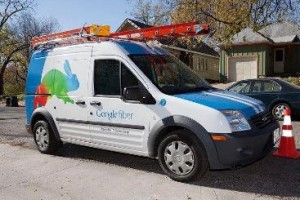
and a TV service to residents as it upsets the playing field among local Internet and cable companies.
Google Fiber’s enhanced speed — as much as 100 times faster than traditional broadband — has been promoted by city leaders, business executives and residents for its potential impact on business operations, health care, entertainment, software programming, education, workforce development and the overall economy. A Google Fiber network further establishes Nashville as an advanced tech city that, with this new infrastructure, can better accommodate its population of entrepreneurs and software developers, as well as the growing number of individuals working remotely from their homes.
“We have seen firsthand how speedy Internet can reshape communities, driving economic growth, emerging startup scenes and new ways of using technology to improve lives,” said Kevin Lo, Google Fiber director of business operations. “Fiber will help put Nashville on par with the fastest cities in the world.”
Google announced in February it was considering expanding fiber to nine metropolitan areas — Nashville; Raleigh-Durham, N.C.; Charlotte, N.C.; Atlanta; San Antonio; Phoenix; Salt Lake City; Portland, Ore.; and the San Jose and South Bay area. It has been working with government leaders since its initial announcement to study their infrastructures and permitting processes. Google Fiber is already underway in Kansas City, Mo., and Kansas; Provo, Utah; and Austin, Texas.
Google announced it is also expanding fiber to Atlanta, Charlotte and Raleigh-Durham, putting the Southeast at the forefront of the next wave of fiber. Lo cited the commitment from city leaders as he described why Nashville was chosen, as well as innovation within the city’s technology, music and health-care sectors. “Nashville has all the right ingredients to do transformative things,” he said. “That’s what makes it the perfect city to show the world what is possible with a gig.”
The increased bandwidth means more seamless streaming, video conferencing, software testing and gaming for residents initially, but Google Fiber will eventually expand to small businesses as it has done in Provo and Kansas City.
In a state franchise agreement, Google did not include satellite cities — Oak Hill, Forest Hills, Belle Meade, Berry Hill and Goodlettsville — in its application, but has said that it could bring services to those areas. “We look forward to engaging with satellite cities as we continue the process of bringing Google Fiber to the region,” Google said in an emailed statement.
What happens next?
Google will need to build thousands of miles of fiber around the city, and surveyors will first begin developing the design, relying on existing utility poles and underground routes where possible. The design process could take several months, Lo said, declining to give further details on timing. In Kansas City and Austin, connection took close to 20 months.
Google typically determines which areas to extend the “last mile” of its network to based on demand, the idea being that it is not cost-effective to build out the infrastructure for only a few homes. The number of residents needed to sign up is based on the density of what Google calls a “fiberhood,” which is typically made up of several hundred homes.
Read full article: http://www.tennessean.com/story/money/tech/2015/01/27/google-fiber-coming-nashville/22401593/